Toronto’s housing market remains competitive for buyers, and renovating your home is a big undertaking, requiring planning, budgeting, and knowledge. Whether you’re looking to add value to your home for selling or as a long-term investment, the good news is that there are resources available to help you with home renovation in Toronto.
From remodeling guides, tips on choosing the right professionals for the job, and information on finding out what you need to know before you begin, here are a few reno tips for Toronto homeowners. Remodeling your home is not easy, but it doesn’t have to be scary.
Why Remodel Your Toronto Home? Common Reasons & Benefits
With housing prices high, now might be the time to sell, and remodelling may be just the thing your home needs to give it an edge over other homes in your area. Whether you’re moving on or staying put, investing in your property is always a good idea to make your home better or to make it more desirable in a competitive market.
There are many reasons for remodeling:
Planning Your Remodel: Where to Start and What to Know
How to plan a home renovation in Toronto: there are so many factors to consider, and the timing of each stage is crucial. If you haven’t done a significant remodel before, getting started can be the most terrifying part of the process.
So, where do you start?
You start by thinking about what you want done, what you would do if you had the chance. At this stage, you’re just imagining the possibilities, making your home upgrade checklist.
For older homes in Toronto, there are several issues that will need to be addressed.
- Uneven flooring, causing floor squeaks caused by wood rubbing against wood or nails.
- Old wood-frame windows offer little in insulation or energy saving.
- Electrical systems using knob-and-tube wiring with no grounding and with no ability to handle modern systems.
- Foundations may be deteriorating from years of shifting and settling.
- Old heating systems, such as coal or oil burners with cast-iron radiators.
- Old plumbing systems made from galvanized steel, lead, or cast iron pipes, which degrade over the decades, causing low water pressure and possible health hazards.
- Undersized water supply lines leading to a low volume of water to the home.
Once you get a sense of where you’d like to be at the end of the remodeling process, that’s when you can move to the next step: finding the right people to do the job.

Full Remodel vs Partial Updates
One of the key issues you will need to address is whether you need some partial or small updates to your home, or if you want to tackle a full remodel.
Why would you want a full remodel? Perhaps you live in an older home, and it requires many upgrades, both aesthetic and structural.
You may want to add onto the existing building, with an extra room, and you decide that it would be worthwhile to give the whole house a remodel. On the other hand, perhaps it is mainly the kitchen that needs some work, and a full remodel of that space would be unnecessary and costly.
In the end, you will need to decide what is best for you, for the value of your home, and what works in your budget, because house renovation costs in Toronto can vary widely, from neighbourhood to neighbourhood.
Setting a Realistic Timeline
Remodeling takes time, and when you live in a colder climate, there may be times of the year when outdoor structural work is not practical. If a new roof needs to be started in late winter/early spring, keep in mind that it is also the rainy season.
When you do your research, you will find some typical timelines for any given project, and you can plan accordingly.
Tips for Toronto contractors should include information on dealing with Toronto’s weather. You don’t want holes in your outer walls, an open roof, when it rains or snows. [Realistic Toronto permit timelines and common bottlenecks].
Renovation Mistakes to Avoid
Know when to do things yourself and know when to call in a professional. You may be a great DIYer, but some tasks are beyond the ability of many homeowners, and you may end up spending more money fixing the mistakes you made in attempting some large-scale remodeling jobs.
Remodeling your Toronto home requires a little planning and research, and you should know when you can do things yourself, such as small-scale painting or simple repairs, while leaving the big things to the pros.

Average Home Remodeling Costs in Toronto (2026 Update)
Finding the right time and way to start is one thing and some may say it’s relatively easy to start. Before you start to execute your plans with your contractor, it’s extremely important to keep in mind your budget and manage it. Let’s browse the average home renovation costs in 2026.
Major Home Renovation vs Cosmetic
Once you’ve decided what you want done, the budget comes next. Realistically, the budgeting and planning go hand-in-hand, because you need to know what can be done, within your available timeframe, and within a budget you can live with.
Most people will need some sort of financing to get large projects underway, but you definitely do not want to budget higher than you can comfortably pay for. What kind of numbers can you expect in Toronto?
Here is a short Toronto remodeling cost guide to remember:
- For a whole home renovation, you should expect at least $50,000 to $100,000.
- For smaller renovations/cosmetic upgrades, costs run $60-$140 per square foot.
- High-end upgrades can cost $250-$400 per square foot.
When you’re researching how to find a contractor in Toronto, keep in mind the strengths of a contractor based on their previous work. This will inform you on how to go about deciding what should be done.
Cost by Room or Area
Here we can break down the costs by room. This may decide what kind of work is realistically feasible for you. Is it a full remodel of one room, or several rooms, or is it a partial remodel of your kitchen, powder room, and living room?
Once you break down the room-by-room costs, you can make some of those key decisions.
- Full kitchen renovations can start around $15,000.
- Bathrooms start at $12,000
- Basements $10,000
- Bedrooms $20,000.
For more ideas about costs, a Toronto remodeling cost guide can be valuable as a checklist.
What Affects Remodeling Prices in Toronto?
The reason you need to get quotes from contractors and other tradespeople is that the costs will fluctuate, based on a variety of factors.
- A large contracting company may do the work for less since they have more workers available, but that means sacrificing a more personal touch and not being a priority.
- Smaller companies may cost more because they are more directly hands-on and have only a few clients at any given time.
- You need to balance those variables when you make your final decision. Other issues affect the prices of a remodel in Toronto.
- For Toronto remodeling cost guides, there are a number of options.
How to Budget for a Reno Project
During the planning stages, you need to set a realistic budget, based on what is available and what you can comfortably finance.
Often, a structural remodel, such as a new roof or foundation work, is unavoidable, and finding the money is crucial.
Do You Need a Permit to Remodel a Home in Toronto?
If there are any structural changes to the building, remodeling permits are required in Toronto.
When Permits Are Required
Permits are required in Toronto when there are changes to walls, particularly load-bearing, additions to the house, system changes such as plumbing or electrical, changes to windows and doors, interior changes such as adding a bedroom or kitchen, or any accessory structures 15 square metres or more.
Working With the City of Toronto
For small projects, it usually takes 2-4 weeks to get a permit, while complex projects can take over 8 weeks for review.
For remodeling permits in Toronto, this time needs to be built into your overall plans because you can’t start without the permit. Jump the gun, and you could face fines or removal of the renovated work.
Who Handles the Permits: You or the Contractor?
While it is common for contractors to take care of the permit process, it is ultimately the homeowner who is responsible for making sure the permits are correct and in place.
This needs to be discussed in the planning stages so there is no miscommunication.

How to Choose the Right Contractor for Your Toronto Renovation
Some in-depth research is needed here to find a contractor in Toronto. Here are some Toronto contractor tips to keep in mind.
- Recommendations from friends or family, or working with someone you can trust to help you in this process.
- Find a company with a history of doing quality work in your area. A local contractor will have the experience necessary when working with Toronto homes in your area.
- Ask for references and don’t be afraid to contact them.
Remember, in Toronto, contractors and those in trades must have:
- A City of Toronto Trades License
- A valid Harmonized Sales Tax (HST) number
- Up-to-date liability and workers’ compensation insurance
Find out the type of work a contractor specializes in:
- Start with looking at the work done: this is easy these days, as all reputable contractors have websites. If they don’t, or if the information is basic or out-of-date, you may want to move on.
- Review the past work and ask to see photos of current projects. If they’re reluctant to do this, that’s a red flag. A good contractor will be proud of their work and want to show it off.
Other issues to consider:
- Ask about who will be on-site day-to-day and who is in charge.
- Ask for a written estimate that is detailed. How much will they charge for any changes as the project advances?
- Get a firm timeline for work and completion. A reputable contractor can give you a general timeline with start and end dates, including processing permits and other paperwork.
- Do they offer warranties for their work?
Before signing a contract:
- Read the contract carefully and make certain it outlines exactly what you agreed to.
- All contracts for goods or services signed in your Toronto home require a 10-day cooling-off period, from the time you receive the signed contract. In that period, you can cancel the contract for any reason.
- You want someone reliable, cost-effective, and someone who can do the job you want done.
- Likewise, references are crucial; ask around, find out the reputation of any contractor you are considering.
Seasonal construction constraints unique to Toronto:
- The optimal time for projects requiring outdoor work is April through October.
- Warmer weather is ideal for excavations, foundation work, weather-proofing, roofing, and other exterior work.
- There will always be weather considerations, regardless of the season.
There are neighbour-specific issues to consider as well. In the Ossington Avenue area north of Dundas, you have older, smaller homes with compact lots. Many homes are duplexes, and this impacts how you will be able to handle additions or other projects requiring extensive outdoor work.
These will be issues to address in many Old Toronto homes south of Eglinton. As you get into North York or Scarborough, you may find newer tract houses that require a different approach.
Once you’ve narrowed your choices down, you need to check their credentials, including licensing. House renovation costs in Toronto can be prohibitive, but careful planning and doing a bit of research will go a long way in keeping the costs manageable.
If you’re looking for a contractor who specializes in custom homes across the GTA, explore our service areas including:
- Mississauga
- Oakville
- Markham
- Vaughan
- North York
- Etobicoke
- Richmond Hill
- Aurora
- King City
- Scarborough
- Newmarket
Interior Remodeling Ideas for Toronto Homes
Multi-use spaces are trending, thanks to many people working remotely. Home offices that can work as guest rooms, while kitchens with dedicated office space (and we’re not talking about the kitchen table), any high-traffic room can be multifunctional without being cluttered or chaotic.
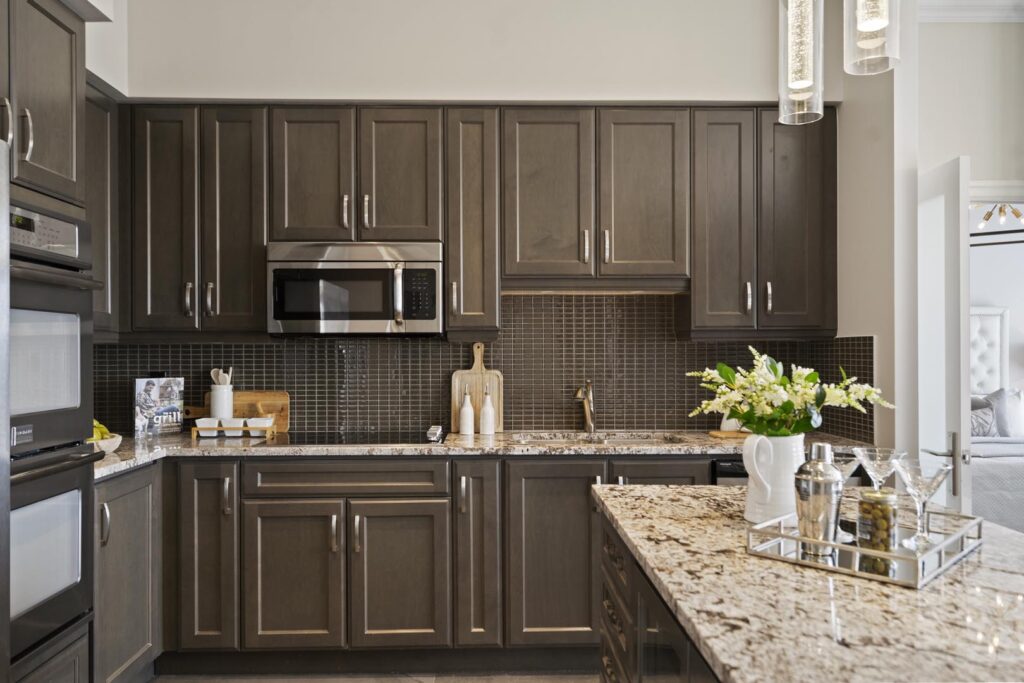
Kitchen and Bathroom Trends
You’ve built a small office area in your kitchen, while your children utilize the kitchen island for homework, and your spouse works on dinner: all of this can happen without sacrificing space or function.
The kitchen is the highest-trafficked area in the house, and people already use it for a variety of tasks. Why not purpose-build it for all those uses, embracing the energy of a busy family, while keeping things in order?
Advanced plumbing systems can update your bathrooms, and smart technology is a big part of that trend. You can find lots of basement finishing tips online, particularly for the more technical aspects.
Open Concept vs Defined Spaces
With the multi-use room comes the new open space concept. While designating areas of a space for different dedicated uses, you’re still keeping things open, with the kitchen-dining room-living room space being rethought as an extended family space with many activities occurring at once.
This is a way for families to be together while accepting the realities of modern family life.
Flooring, Lighting, and Smart Features
Smart features will continue to dominate new appliances and the home’s systems. While some may resist being too plugged in and online, the reality is that this is the future, and you might as well make it work for you.
A smart home is more than buzzwords and performative environmentalism.
The future of home renovations includes smart technology. A smart home integrates customizable AI into a comprehensive system that will not only regulate and automate your home, but also anticipate your needs.
You are in control, and the smart home makes sure your needs are fulfilled. Your home lighting can go beyond old-fashioned timers, knowing what you prefer at what time of day, without you touching a thing. Voice command functions can adjust your thermostat, helping to reduce energy waste.
- Systems can be integrated into solar technology, lowering the environmental impact of your home and ultimately saving money.
- Monitors track real-time energy consumption, utilizing data to see what’s draining power and adjusting accordingly.
- Think Alexa and Google Assistant, and you get the idea, but integrated into your home.
The science-fiction promise of automation is becoming a reality, with security systems, smart locks, and night-vision cameras, giving you a feeling of safety and control.
- The old rain barrel is back, but coupled with smart technology and advanced plumbing systems, rainwater use can be fully integrated into your home and property, for use in gardens, toilets, and laundry, reducing your utility costs while helping the environment.
- These are key trends in Toronto home renovations, combining sustainability with style.
- With the very materials being used in your renovations, you can make a statement on green living, without sacrificing style and aesthetics. Recycling material and upcycling are keywords in home renovation materials in Toronto’s neighbourhoods.
- Recycling old construction refuse into new home renovation material is not only environmentally friendly, but it can also be a way of discovering new colours and textures for your floors, countertops, shelving, and more.
- Reusing funky or retro lighting can enhance the ambience of your rooms. Lighting systems integrated with smart technology can allow you to control lighting throughout the house, with the system identifying wasted energy and light output.
- Old ceramic tiles can be upcycled into elegant flooring, while recycled wood or even crushed glass can be used to form new building materials, giving them a unique look not available in mass-produced items.
These kinds of sustainable practices are not just practical; they make a statement, while providing you with advanced systems that increase property value and maintain your aesthetics.
Exterior Remodeling Upgrades That Boost Curb Appeal
For exterior home upgrades in Toronto, there are a few things to keep in mind.
Porch, Patio, and Outdoor Living Spaces
The flow from indoors to outdoors continues to be further integrated, and even with the cold weather of Toronto’s winters, using your outdoor space year-round continues to be a goal.
Fire pits and built-in grilling stations mean using your outdoor space in the winter is an achievable goal.
With so much time spent indoors, renovating a home in Toronto, in particular the outdoor space, doesn’t seem worth it. Extending the look and feel of your indoors to the outdoors, you can integrate the overall theme you’ve chosen and extend the time spent in your new outdoor space.
Entryways, Siding, Roofing, and Paint
The link from the indoors to the outdoors is through your entryways, and coordinating your design schemes both inside and out will carry your vision into the home’s integrated whole.
Advances in siding manufacturing, roofing materials, and paint further blur the differences between indoor and outdoor.
Once again, upcycling is playing a big role in construction materials, even in outdoor needs such as roofing and siding.
Final Thoughts
Remodelling your home can be a scary proposition, given the costs, the time, and the planning. Home renovations in Toronto do not have to be out of reach. Ultimately, it is worthwhile if you want to update your older home or if you want to get your house ready for the housing market. It doesn’t need to be an intimidating process, as long as you hire the right people, carefully plan and budget your project, and make sure everything is done correctly.
Contact Lumara Homes to start planning your full home renovation servicing Toronto and the GTA.
Related Article: Should I Build a Custom Home?