Home additions are a great way to build upon your existing home to accommodate your changing needs and lifestyle. While the process is exciting, it can also bring forth a variety of cost-related questions. Read on to discover everything you need to know about home addition costs in Toronto in 2024.

How Much Do Home Additions Cost in Toronto?
The average cost of a home addition in Toronto in 2024 ranges from $90 to $480/sq. ft. depending on complexity, materials, and labour. As an example, a 20×20 room addition might cost anywhere from $36,000 to $192,000.
Typically, home extensions in Toronto are between 250 to 1,200 sq. ft. The average 1,000 sq. ft. addition cost in Ontario falls between $300,000 and $360,000.
Here’s a chart outlining the average costs of Toronto home additions:
| Types of Home Additions | Average Costs in Toronto |
| Four-season Sunroom on Piles (Unfinished) | $360 to $420/sq. ft. |
| Four-season Sunroom on Piles (Turnkey) | $312 to $432/sq. ft. |
| Garage Addition (Unfinished) | $240 to $282/sq. ft. |
| Garage Addition (Turnkey) | $288 to $360/sq. ft. |
| Home Addition on Piles (Unfinished) | $312 to $360/sq. ft. |
| Home Addition on Piles (Turnkey) | $360 to $420/sq. ft. |
| Home Addition on Foundation / Slab (Unfinished) | $378 to $432/sq. ft. |
| Home Addition on Foundation / Slab (Turnkey) | $432 to $480/sq. ft. |
| Storey Addition (unfinished) | $312 to $390/sq. ft. |
| Storey Addition (Turnkey) | $360 to $432/sq. ft. |
*Note: These are average costs which can fluctuate depending on various factors. Contact Lumara Homes to get a quote on your project costs.
What Type of Home Additions Add the Most Value?
The most valuable home extensions are kitchens and bathrooms which have a Return on Investment (ROI) of 50% to 80%. Adding a second storey to a home in Toronto can also significantly increase its revalue.
By expanding the living space vertically, homeowners can maximize their property’s potential, especially in areas where land is limited. Second-storey additions create space for bedrooms, bathrooms, and home offices.
They’re perfect for accommodating growing families or providing options for rental income. Adding a second floor has the potential to enhance a home’s overall aesthetics and curb appeal as well.

Is It Better to Build Up or Outwards?
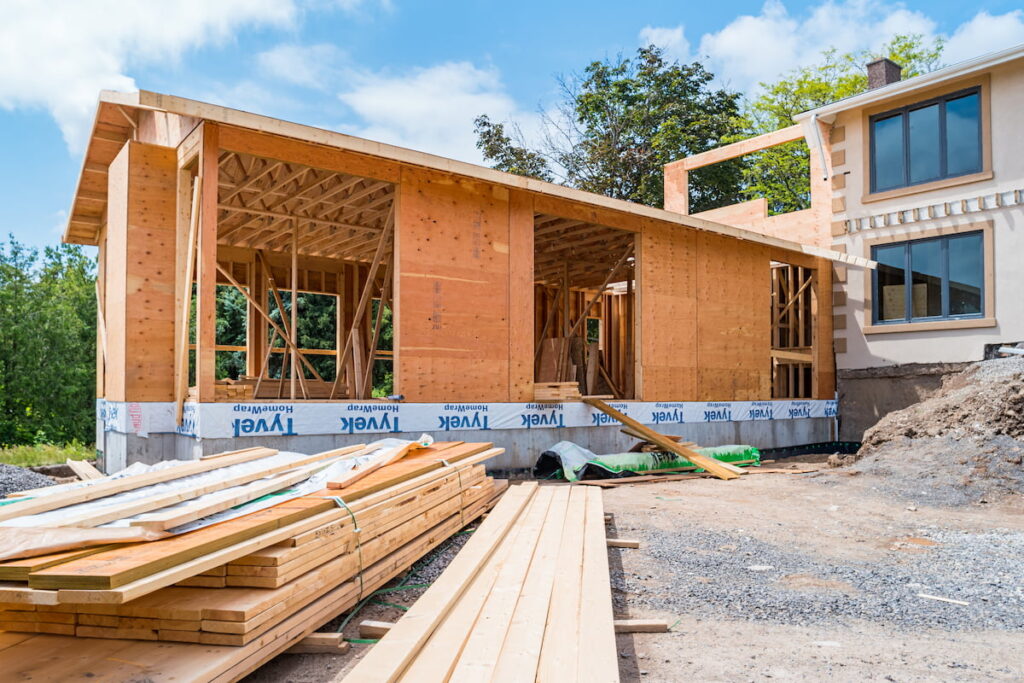
Building an outward extension is often more cost-effective than building upwards. This is because building upwards often requires extensive structural modifications. These modifications include reinforcing the existing foundation and walls, removing and replacing the roof, and installing support structures to connect the second story to the first floor.
Outwards home additions can be less complex, resulting in lower overall costs. Ultimately, the costs will depend on factors such as the existing structure of your home, zoning and land limitations, and the complexity of the architectural design.
Costs Associated with Second Story Addition
Costs Associated with Bump Out Addition
Room Addition Costs in 2024
There are several types of room additions, each with its own cost. Here’s a chart showing the average home addition costs for different rooms:
| Room Addition | Average Cost |
| Bedroom | $11,000 to $23,000 |
| Bathroom | $18,000 to $90,000 |
| Kitchen | $5,000 to $30,000 |
| Living room | $17,000 and $43,000 |
| Four Season Sunroom | $13,000 to $160,000 |
| Garage | $15,000 to $62,000 |
| Additional story | $90,000 to $200,000 |
Factors That Affect the Cost of Your Home Addition
The following are some of the main contributors to home addition costs:

How to Save on Home Addition Costs in 2024
There are many ways to save on your home addition costs without compromising your vision.
Here are a few cost-saving strategies for your home extension:
- Use existing structural elements like shared walls or foundations to minimize construction costs.
- Include open floor plans to reduce the need for additional walls and doorways.
- Choose standard materials and finishes.
- Set aside an extra 10% to 20% of your budget to cover unforeseen expenses or repairs during construction.
Key Takeaways
In 2024, the cost of home additions in Toronto will vary significantly based on size, complexity, and materials, with kitchens and bathrooms providing the best return on investment. Whether building up or out, careful consideration of your home’s existing structure and design preferences is essential. For more information on Toronto home addition costs in 2024, contact Lumara Homes to book your Discovery Call today.
Related Article: Top 6 Home Addition Ideas